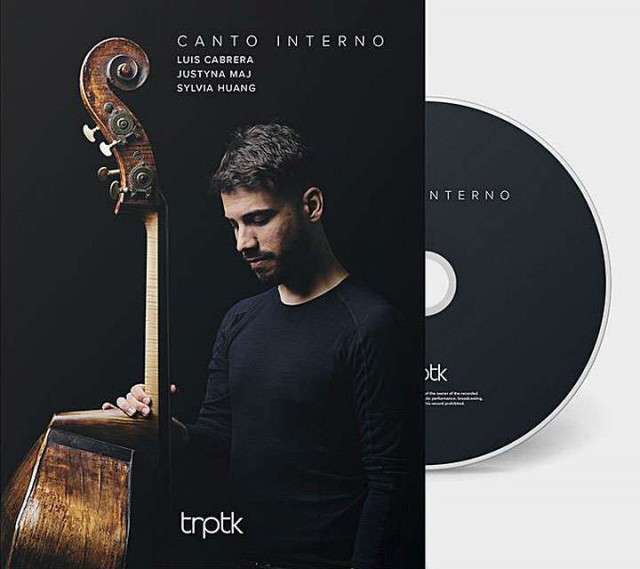
Luis Cabrera Plays Bach
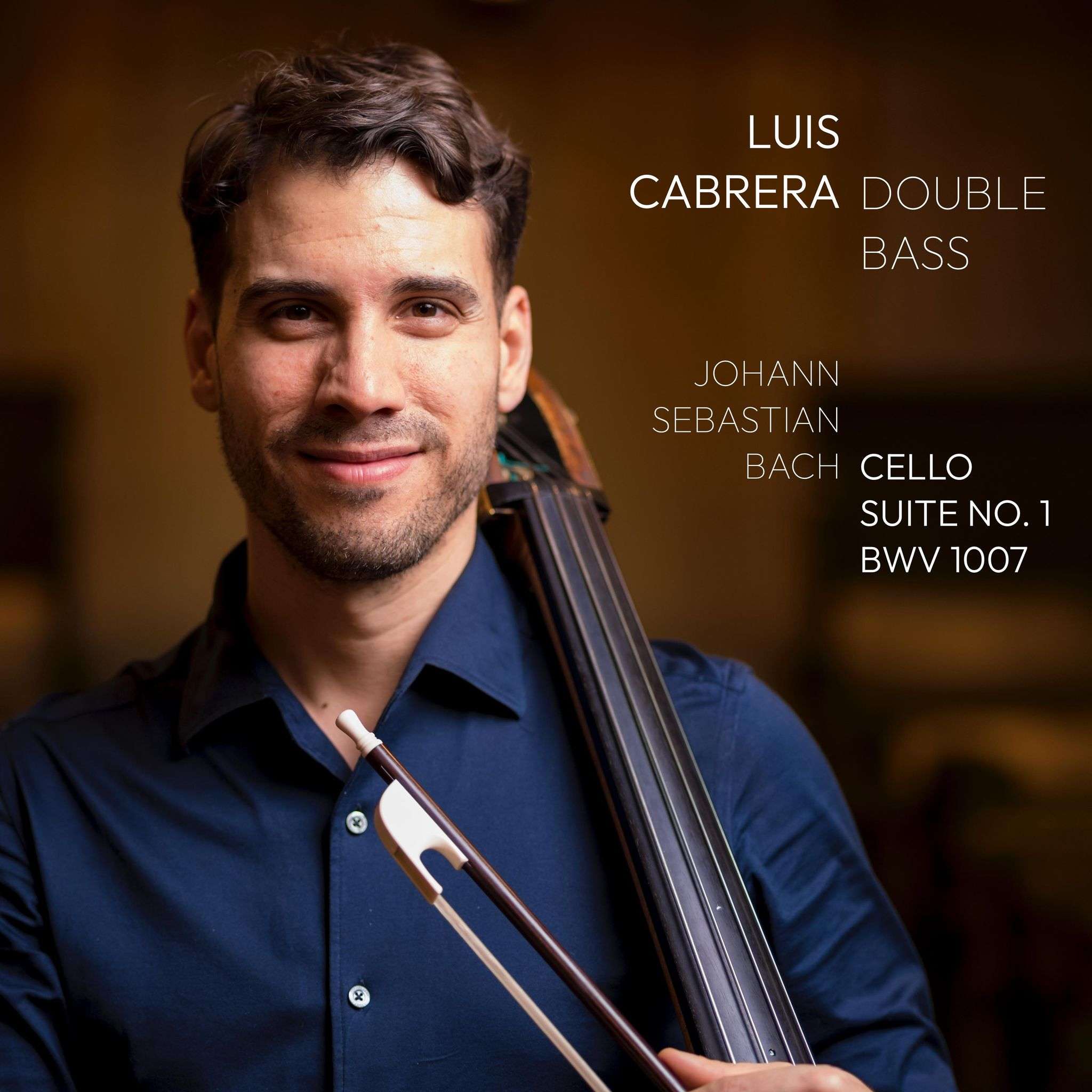
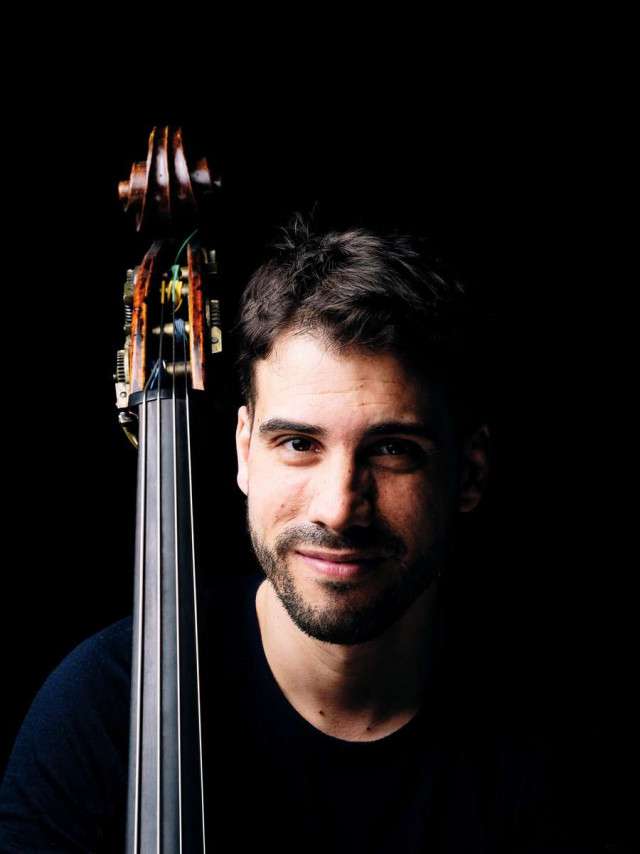
Bass: Pietro Pallota c.1815
Bow: Luis Emilio Rodriguez-Carrington (2009)
Sound engineer: Ernst Coutinho
Video: Elbert Besaris





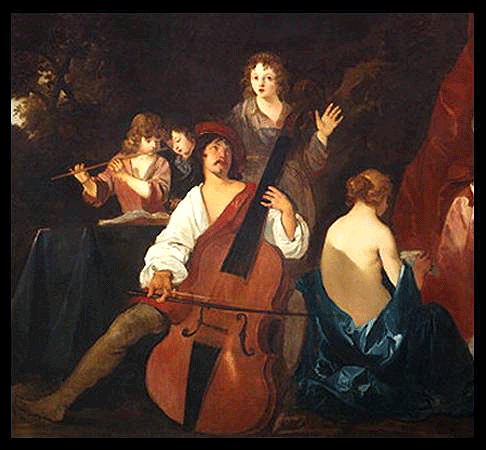
At Bach’s time, the closest instrument to today’s double bass would be the 16th foot violone, and in other bass viol family instruments of 4 to 6 strings, used to double the bass line of the cello to an octave lower (therefor the name double bass) there were viol pieces written for smaller instruments but the showcase of the bigger violone instruments as solo instruments was not in place.
I played a lot of baroque music with original instruments, gut strings and baroque bows but always in an ensemble role. Which is something I love to do and is the more pure way of understanding the foundation of the music from the bass. When you play a bass line and you can relate to the voice or the melodies from the impulses, harmonies and rhythms you create.
However to get to play the solo works, suites, dances and melodies was crucial to fully understand it. I think all instrumentalists need to experience the different dimensions of the music we play: harmony, rhythm section, melodies: violinists should play bass lines too ? therefor I decided to go in this journey of exploring manuscripts, analyzing harmonies and motifs and find a language to bring them out was not only very exciting but enriching and nurturing, basically like learning a new language.
I tried to play Bach or other baroque pieces with a modern bow and although the music is the same the sounding result would always be far from what I’d desired. For this music you don’t need necessarily the strong attack and big sound of the contemporary bows, but clarity and articulation in a more elegant way.
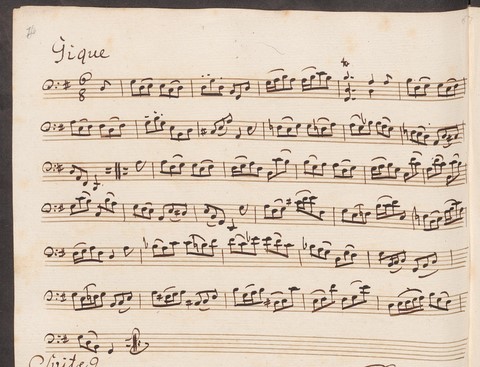
Going through the manuscripts, opens a lot of questions, other than the bowing disparities.
I focused mostly on the Anna Magdalena, and combined with the Kellner one as a reference made my bowings for the piece.
Is the same with the books, I find enriching to go through those texts, to get inspired with the writing, the analysis, the context.
When you put the 4-5 pages of a given piece in your music stand or the table and see what happens from the first note till the ending bar line, go thorough the shapes, motivs, count bars, analyze harmonies and intervals you develop your playing strategies and your pathway throughout it, a bit like a map in a beautiful forest where you keep passing by places that seem alike.
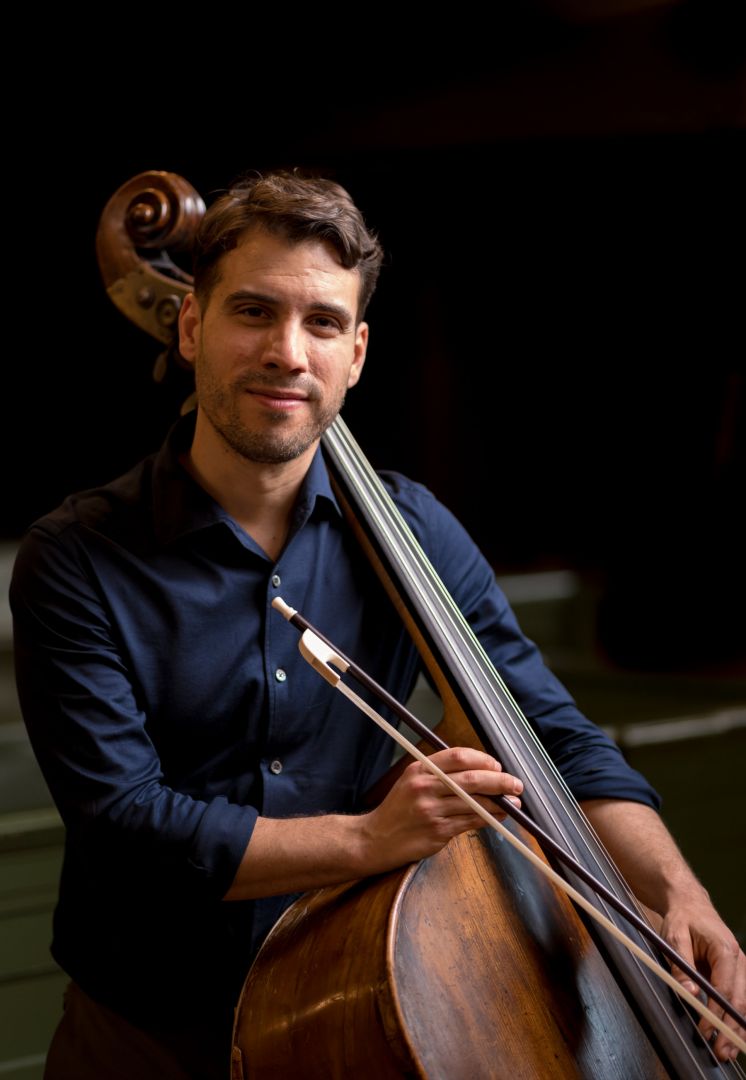
The bow, its all about the balance. There is no right or left direction but a continuous inertial flow that makes each note be a consequence of its preceding, or a new impulse when required. the position of the fingers in the stick varies but the elements of balance and direction increase and you feel the string in the tip of your fingers. In the same way the ebony frog gives you a cushioned sensation, the direct touch of the snake wood gives a direct conexion to the string. The often used expression of the “bow as an extension of your arm” becomes.
That feeling on the string is precious to me. When I teach my students that is a big part of what I like to encourage regarding sound: the “it is all about the string”, keep constant sensations of bow speed, resistance and latitude towards he bridge, which is to learn to control the string, but also to let it be free, to caress it, jump in and out of it, stroke it and basically to love it.
I find that the left hand does a lot regarding expression without even have to vibrate. The amount of surface of finger, the weight applied and the direction in which you apply the weight can have a big impact on what you do. I personally don’t like vibrating that much and dont find it necessary for the kind of sound I am looking for, but that doesn’t mean that the expression relies exclusively in the bow, there are a lot of things happening.
Thanks to Lucia Swarts, Pieter Wispelwey, Grigory Krotenko and my colleagues Douw Fonda, Julien Beijer and Peter Rikkers for their mentorship, advice and support.
Thanks to the Amarte fonds and Stringvirtuoso for making this video possible.